
When cleaning antique items, professional cleaning services assess each piece individually, identify the material — wood, porcelain, crystal, metal, or textile — and apply specialized techniques suited to that specific material. Reputable cleaners use only soft microfiber cloths, mild pH-neutral solutions, and gentle specialty products, never harsh chemicals, abrasive scrubbers, or excessive moisture that could damage original finishes or remove valuable patina. At Paula’s Cleaning Service, our team works piece by piece, protecting glazes, wood grain, and fabric fibers while safely removing dust, grime, and surface buildup from even the most delicate heirlooms.
Professional cleaning services handle antique and delicate items by first identifying the material type wood, porcelain, silver, fabric, glass, or stone then selecting the appropriate cleaning method, product, and tool for that specific material. Unlike standard house cleaning, antique care avoids harsh chemicals, abrasive cloths, and excessive moisture. At Paula’s Cleaning Service, our trained professionals assess each piece individually and apply museum-quality cleaning techniques to preserve the original finish, structural integrity, and value of every heirloom in your home.
Antiques tell stories. They connect us to history and bring personality to modern homes. However, these treasured pieces also require specialized care to maintain their beauty and integrity. At Paula’s Cleaning Service, we provide expert antique and delicate item cleaning for homeowners across Massachusetts, New Hampshire and Connecticut, ensuring your heirlooms remain timeless.
Understanding Each Material Before Cleaning
Every antique has unique needs. Consequently, identifying materials is the first step before any cleaning begins. Wood, porcelain, crystal, metal and textiles each react differently to moisture, products and handling.
Wooden Furniture and Decor
For antique wood, gentleness is essential. We dust with soft microfiber cloths, never using rough or damp materials that could cause swelling or streaking. Moreover, we avoid water entirely, choosing beeswax or oil-based polishes that nourish the grain while preserving original finishes. This process enhances the natural patina rather than stripping it away.
Porcelain, Ceramics, and Crystal Pieces
Delicate porcelain and ceramic items can lose their value from even minor abrasions. We use soft brushes and mild soap solutions to remove dirt carefully, avoiding harsh chemicals that could erode glazes or painted details.
For crystal and glass decor, including chandeliers, warm water and mild detergent are safest. Each crystal is cleaned individually and dried with lint-free cloths to achieve that brilliant, streak-free shine.
Preserving Textiles and Metalwork
Antique textiles quilts, lace and tapestries require an especially cautious approach. Excessive handling, humidity and sunlight can cause irreversible fading. Consequently, we recommend:
- Vacuuming with a low-suction attachment to remove dust without pulling fibers.
- Dry cleaning or working with textile conservators when deep cleaning is necessary.
- Storing fabrics in acid-free containers away from direct light and moisture.
For metal decor, subtlety matters. Rather than using aggressive polishes that strip patina, we use microfiber cloths and gentle specialty cleaners that restore shine while preserving character. After all, the aged look is often part of what makes metal antiques valuable.
The Importance of Professional Antique Cleaning
Even with careful at-home upkeep, professional intervention ensures long-term preservation. Experts not only clean but also inspect for early signs of damage, such as cracks, discoloration, or loose joints. This proactive approach helps prevent small issues from becoming costly repairs.
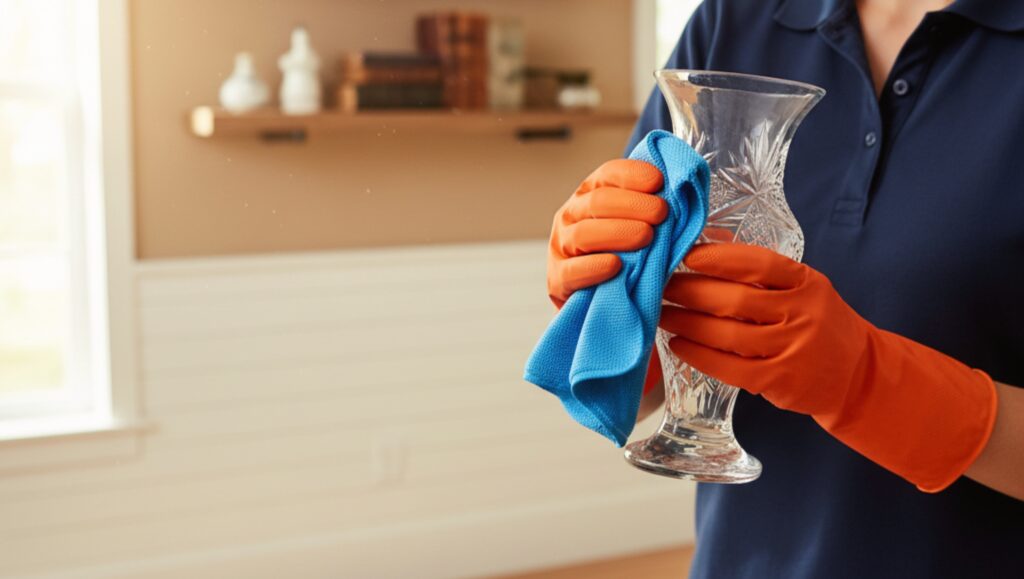
At Paula’s Cleaning Service, we collaborate with local conservators and restoration specialists for pieces requiring advanced care. Furthermore, our team provides personalized recommendations on proper display and storage to extend the lifespan of each item.
Here are some infos about how to clean your antiques: How to Clean Antiques | How To Take Care Of Your Antique & Vintage Items – The Urban Vintage Affair
Preventing Damage and Extending Lifespan
A consistent cleaning routine is key to preserving value. Regular dusting reduces buildup that can dull surfaces or attract pests. For instance:
- Keep antiques out of direct sunlight to prevent fading.
- Maintain stable humidity to protect wood and fabrics.
- Use padded surfaces or liners under decorative pieces to avoid scratches.
These small habits, combined with periodic professional cleaning, ensure that your antiques retain their beauty for generations.
Protect Your Treasures with Paula’s Cleaning Service
Antiques are irreplaceable, each piece carries a story, craftsmanship and emotional worth. Consequently, trusting professionals with their care is a wise investment.
Whether you own a colonial-era dresser in Salem, a vintage chandelier in Hartford, or a crystal collection in Portsmouth, Paula’s Cleaning Service provides meticulous cleaning designed for fragile and high-value pieces.
📞Contact us today to schedule your antique and delicate item cleaning service. Let us help you preserve your home’s elegance while honoring the history behind each piece.
Contact Cleaning Services Weston MA – Paulas Cleaning Services
Related Blog Posts You Might Like
Building a Sustainable Cleaning Toolkit for a Greener Home – Paulas Cleaning Services
Office Cleaning Services Boost Productivity – Paulas Cleaning Services
Removing Tough Carpet Stains: Tips and Professional Solutions – Paulas Cleaning Services
Frequently Asked Questions Cleaning Antique and Delicate Items
How do cleaning services handle antique and delicate items?
Professional cleaning services handle antiques and delicate items by identifying the material first, then using the safest, most appropriate cleaning method for that specific surface. At Paula’s Cleaning Service, we avoid all-purpose chemical sprays on antiques. Instead, we use dry microfiber cloths for dusting, distilled water for light moisture cleaning on non-porous surfaces, and specialty products formulated for silver, wood, porcelain, or fabric depending on the piece. Every item is assessed individually before any cleaning product touches it.
Can professional cleaners clean antique furniture without damaging it?
Yes professional cleaners trained in antique care can clean antique furniture safely. The key is avoiding steam cleaners, harsh detergents, abrasive scrubbers, and excessive moisture, all of which can warp wood, strip original finishes, or cause irreversible damage to veneer and inlay. Paula’s team uses dry and barely-damp microfiber cloths, furniture-specific wood soaps, and food-grade wax polishes that clean and protect without compromising the original patina or structural integrity of antique wood pieces.
What cleaning products are safe for antiques and delicate decor?
Safe cleaning products for antiques include: pH-neutral wood soaps (such as Murphy Oil Soap diluted appropriately) for wooden furniture, silver polishing cloths or cream-based silver polish for silverware and silver objects, distilled white vinegar diluted in water for non-porous glass and crystal, and dry microfiber cloths for general dusting of most antique surfaces. What to avoid: bleach, ammonia, all-purpose spray cleaners, and any product not specifically formulated for the material type. When in doubt, dry dusting is always the safest first step.
How often should antiques and delicate items be professionally cleaned?
Most antique furniture and decorative pieces benefit from professional cleaning once or twice per year, with light at-home dusting every 1–2 weeks in between. High-use pieces like antique dining tables or silver used for entertaining may need more frequent attention. Delicate items displayed in sunny windows or dusty environments may also need more regular care. Paula’s Cleaning Service includes antique-safe handling as part of our standard recurring cleaning visits for homes in Massachusetts, New Hampshire, Connecticut, and Florida.
What antique and delicate items does Paula’s Cleaning Service handle?
Paula’s Cleaning Service handles: antique wood furniture (tables, chairs, cabinets, dressers), silverware and silver objects, porcelain and ceramic figurines and dishware, crystal glassware and chandeliers, antique mirrors and gilded frames, heirloom textiles and upholstered antique seating, oil paintings and framed artwork (dusting only, no liquid cleaning), vintage clocks and decorative metalwork. For extremely fragile, museum-quality, or extremely high-value pieces, we recommend a specialist conservator and we’re always transparent about what falls within and outside our scope.
Need a Professional Cleaner in MA, NH or FL?
Paula’s Cleaning Services Corp. handles everything from regular recurring cleaning to deep cleans, move-in/out, Airbnb turnovers, and post-renovation cleanup. 4.8 stars · 93 Google reviews.
📞 (858) 375-1060 | Request a Free Quote Online →
We serve MA (Lowell, Amesbury, Newburyport, Haverhill and more), NH (Portsmouth, Hampton, Nashua, Dover and more), and FL (Wesley Chapel, Lutz, Land O’Lakes and more).
Explore Paula's Cleaning Services
Ready for a Spotlessly Clean Space?
Paula's Cleaning Services — licensed, insured, and 5-star rated across MA, NH and FL.
Frequently Asked Questions: How Cleaning Services Handle Antique Items
How do cleaning services handle antique items?
Professional cleaning services handle antique items by first identifying each piece's material — wood, porcelain, crystal, metal, or textile — then selecting the appropriate cleaning method and products. Cleaners use soft microfiber cloths, pH-neutral solutions, and gentle specialty products, and they never use harsh chemicals, abrasive tools, or excess water. Each piece is cleaned individually to protect original finishes, patinas, and glazes while removing surface dirt and dust.
What products do professional cleaners use on antique wood furniture?
For antique wood furniture, professional cleaners use soft, dry microfiber cloths for regular dusting, avoiding any moisture that could cause swelling or warping. For deeper cleaning, they apply beeswax or oil-based polishes that nourish the wood grain and protect the original finish — enhancing the natural patina rather than stripping it away. Water, all-purpose sprays, and silicone-based polishes are avoided entirely.
Is it safe to hire a cleaning service to clean antiques?
Yes, when you hire a cleaning service with specific experience in antique care. Trained professionals assess each piece before cleaning, choose material-appropriate products and techniques, and know when to refer pieces to a conservator or restoration specialist. Always ask your cleaning company about their experience with antiques before booking. Avoid general cleaning services that use the same products and methods on all surfaces.
How do professionals clean antique porcelain, ceramics, and crystal?
Antique porcelain and ceramics are cleaned with soft brushes and mild soap solutions applied gently, avoiding any abrasives that could erode glazes or painted details. Crystal and glass pieces are cleaned with warm water and mild detergent, then dried individually with lint-free cloths to achieve a streak-free finish. Ultrasonic cleaners and dishwashers are never used on antique pieces, as the vibration and heat can cause cracks.
How should cleaning services handle antique textiles and fabrics?
Antique textiles such as quilts, lace, and tapestries require extreme care. Professional cleaners use low-suction vacuum attachments to remove dust without pulling fibers, and avoid excess handling, humidity, or sunlight exposure. When deeper cleaning is needed, pieces are taken to professional textile conservators rather than washed conventionally. Fabrics are stored in acid-free containers away from direct light between cleanings.
How often should antiques be professionally cleaned?
Most antiques benefit from professional cleaning once a year, combined with regular light dusting at home using a soft dry cloth. High-traffic display pieces or antiques in dusty environments may need attention more frequently. Between professional cleanings, keep pieces out of direct sunlight, maintain stable humidity levels (between 45–55%), and use padded liners under displayed items to prevent scratching.
