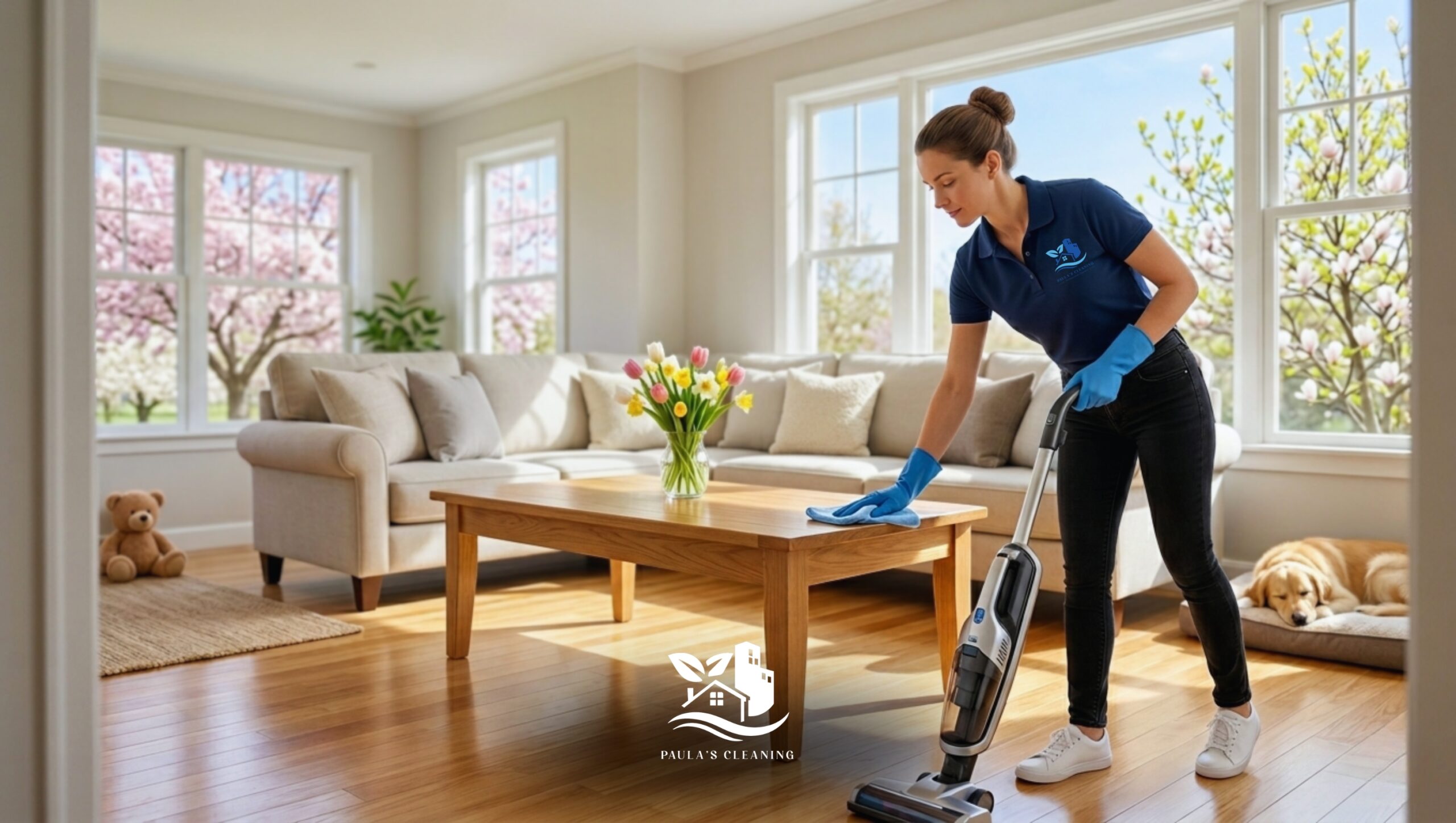
As winter recedes in New England, many households prepare for blooming flowers and, unfortunately, allergy season. Spring cleaning is not only a tradition. It is an effective way to reduce allergens and improve indoor air quality before symptoms spike. Consequently, allergy season spring cleaning can turn your home into a sanctuary rather than a source of discomfort.
Moreover, busy professionals and parents with young children often struggle to find time for a true deep reset. Delegating seasonal cleaning ensures thorough dust removal and sanitization while you stay focused on work, family and health.
Why Allergens Accumulate During Winter
Colder months keep windows closed and airflow limited. As a result, particles build up and remain trapped indoors. Dust, pet dander, and mold spores settle into carpets, upholstery, bedding and HVAC systems. When spring arrives, these trapped irritants become airborne again, triggering symptoms.
Common results of winter allergen buildup:
- Sneezing, itchy eyes and respiratory irritation;
- Aggravated asthma symptoms;
- Decreased indoor air quality and lingering odors.
However, targeted cleaning strategies can significantly reduce exposure. Moreover, professional methods use high efficiency filtration and safer products, which helps remove irritants without adding harsh fumes that can irritate airways.
The Most Important Allergy Season Spring Cleaning Tasks
A successful plan focuses on fabrics, airflow systems, moisture zones and dust hotspots. Consequently, these actions deliver the highest impact for symptom reduction.
Vacuum carpets and upholstery with HEPA filtration
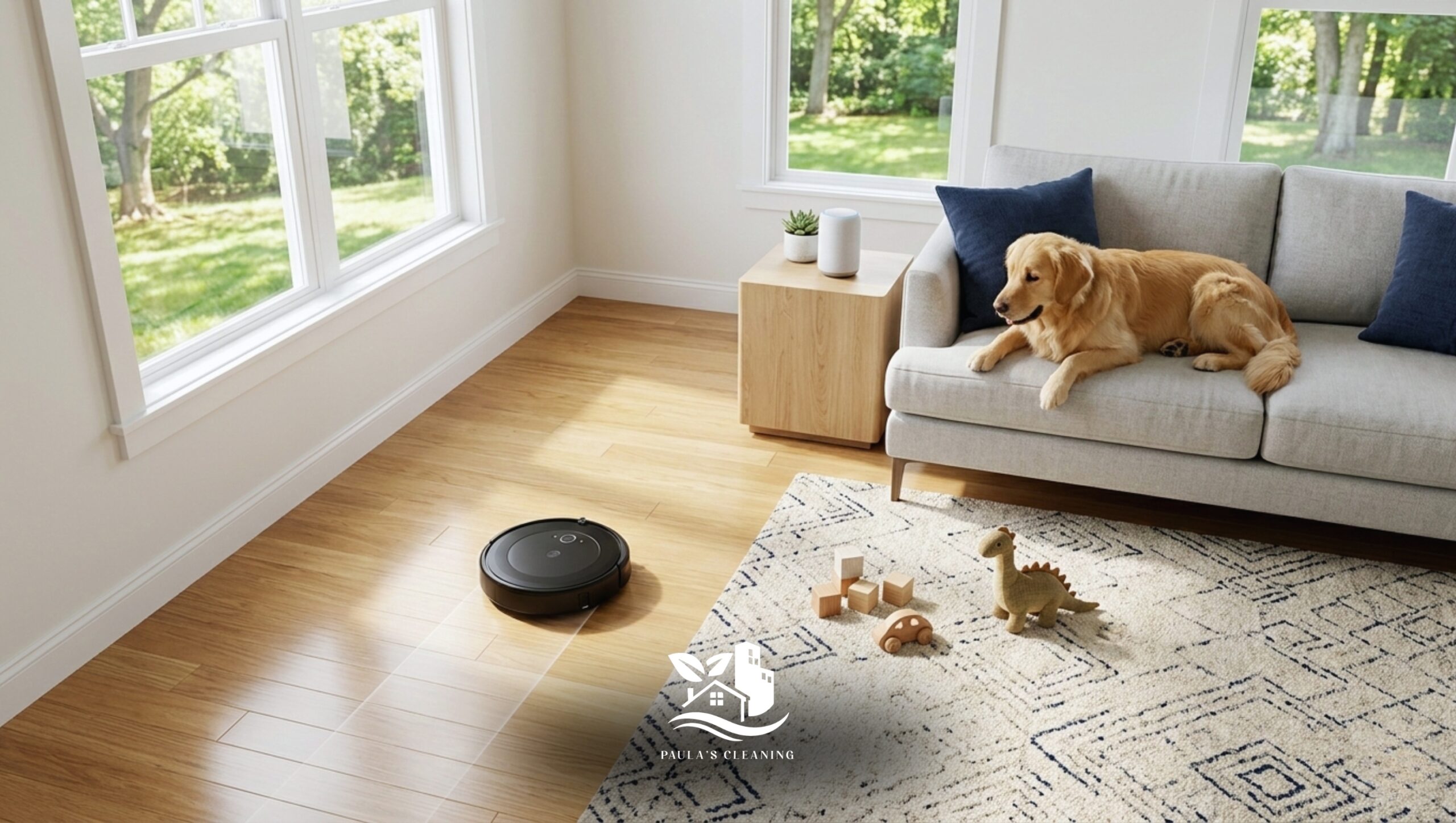
Standard vacuums can push fine particles back into the air. A HEPA filter vacuum captures fine dust, dander and pollen more effectively. Additionally, focus on hidden zones such as under furniture, around baseboards and pet favorite areas.
Wash bedding, curtains and pet items
Fabrics hold allergens longer than hard surfaces. Therefore, wash curtains, pillow covers, blankets and pet beds routinely. Using hot water when appropriate can help reduce allergens and bacteria.
Refresh HVAC filters and vent areas
HVAC systems can circulate allergens throughout the home. Replace or clean filters based on manufacturer guidance, and vacuum vent covers and nearby surfaces. Consequently, airflow improves and particles are reduced.
Target bathrooms and kitchens for mold and moisture control
Moisture zones are prime areas for mold spores. Scrub tile lines, disinfect sinks, and address mildew in showers and around drains. Moreover, controlling moisture protects your home and reduces respiratory triggers.
Declutter to reduce dust surfaces
Clutter increases surfaces where dust settles. Consequently, a simple decluttering session improves both cleanliness and maintenance speed. Focus on entry tables, shelves and storage corners that collect dust unnoticed.
For instance, our deep cleaning service includes detailed attention to corners, ledges, baseboards and overlooked areas that many DIY routines miss. We also avoid harsh chemicals like ammonia and chlorine bleach, which can irritate airways for sensitive households.
Here are some tips that may help you: 10 spring cleaning tips for your allergy-free home | Movement Mortgage Blog
Regional Considerations Across NH CT and MA
Allergy triggers vary by location and season. Moreover, local weather patterns influence moisture and pollen exposure.
New Hampshire: humidity and early mold risk
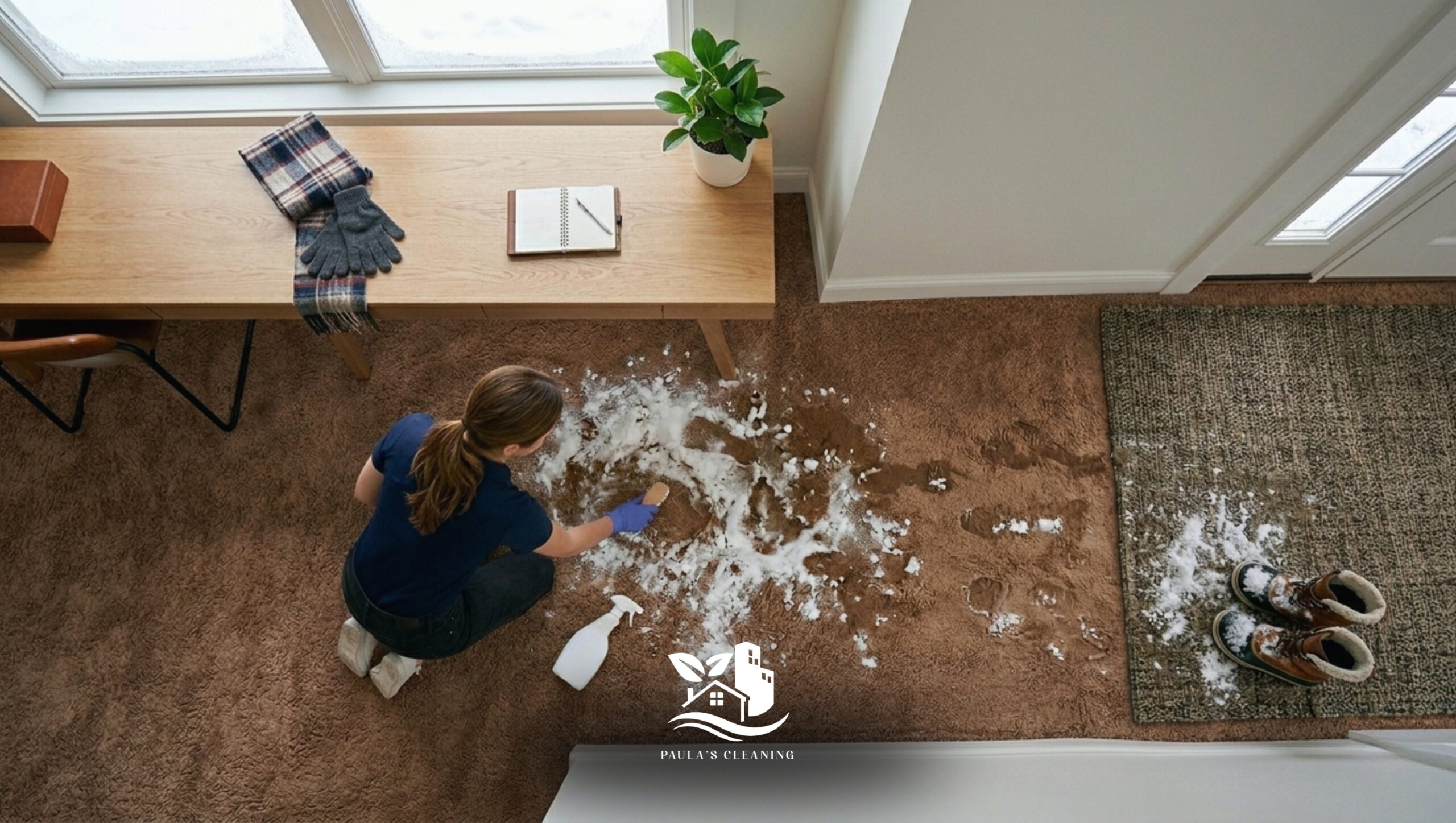
Melting snow can increase indoor humidity and promote mold growth in basements and entryways. Consequently, moisture control and bathroom deep cleaning become high priority.
Connecticut: pollen infiltration from wooded areas
Many neighborhoods experience heavy pollen transfer from nearby trees and forested zones. Consequently, fabric cleaning and window sill detailing matter more than most homeowners expect.
Massachusetts: combined pollen and pet dander challenges
Busy families and entrepreneurs often manage pet dander alongside seasonal pollen. Moreover, longer indoor hours during late winter can intensify allergen buildup. Consequently, HEPA vacuuming and upholstery care become essential.
Benefits of Professional Spring Cleaning Before Symptoms Peak
Professionals bring specialized equipment and an efficient process. Moreover, they complete tasks consistently, which protects your time while improving results.
Benefits include:
- Improved indoor air quality for children and pets;
- Reduced allergy symptoms and respiratory discomfort;
- Longer lasting cleanliness that is easier to maintain;
- Integration with eco friendly options for a safer routine.
Conclusion
In summary, allergy season spring cleaning is one of the most effective ways to reduce allergens and improve comfort for families across NH CT and MA. With Paula’s Cleaning Services, you can breathe easier knowing dust, dander and moisture zones are addressed thoroughly and safely.
📞 Contact Paula’s Cleaning Services today to schedule your seasonal cleaning and welcome spring with confidence, comfort and a healthier home.
Contact Cleaning Services Weston MA – Paulas Cleaning Services
Latest Blog Posts You Might Like
DIY vs Professional Cleaning: Outsourcing Cleaning Saves Time – Paulas Cleaning Services